Introduction | Artificial Intelligence
Artificial Intelligence (AI) has rapidly evolved from a niche technological concept to a transformative force reshaping numerous aspects of our society. As we approach 2025, AI integration into everyday life is accelerating at an unprecedented pace, bringing both exciting possibilities and important considerations. This comprehensive exploration delves into how AI is transforming our homes, workplaces, healthcare systems, educational environments, and social connections, while also addressing the ethical implications and challenges that accompany this technological revolution.
AI in the Home: Creating Smarter Living Spaces
By 2025, our homes have become increasingly intelligent, with AI systems serving as the central nervous system of domestic life. Smart home technology has evolved beyond simple voice commands and automated lighting to create truly responsive living environments that anticipate our needs and preferences.
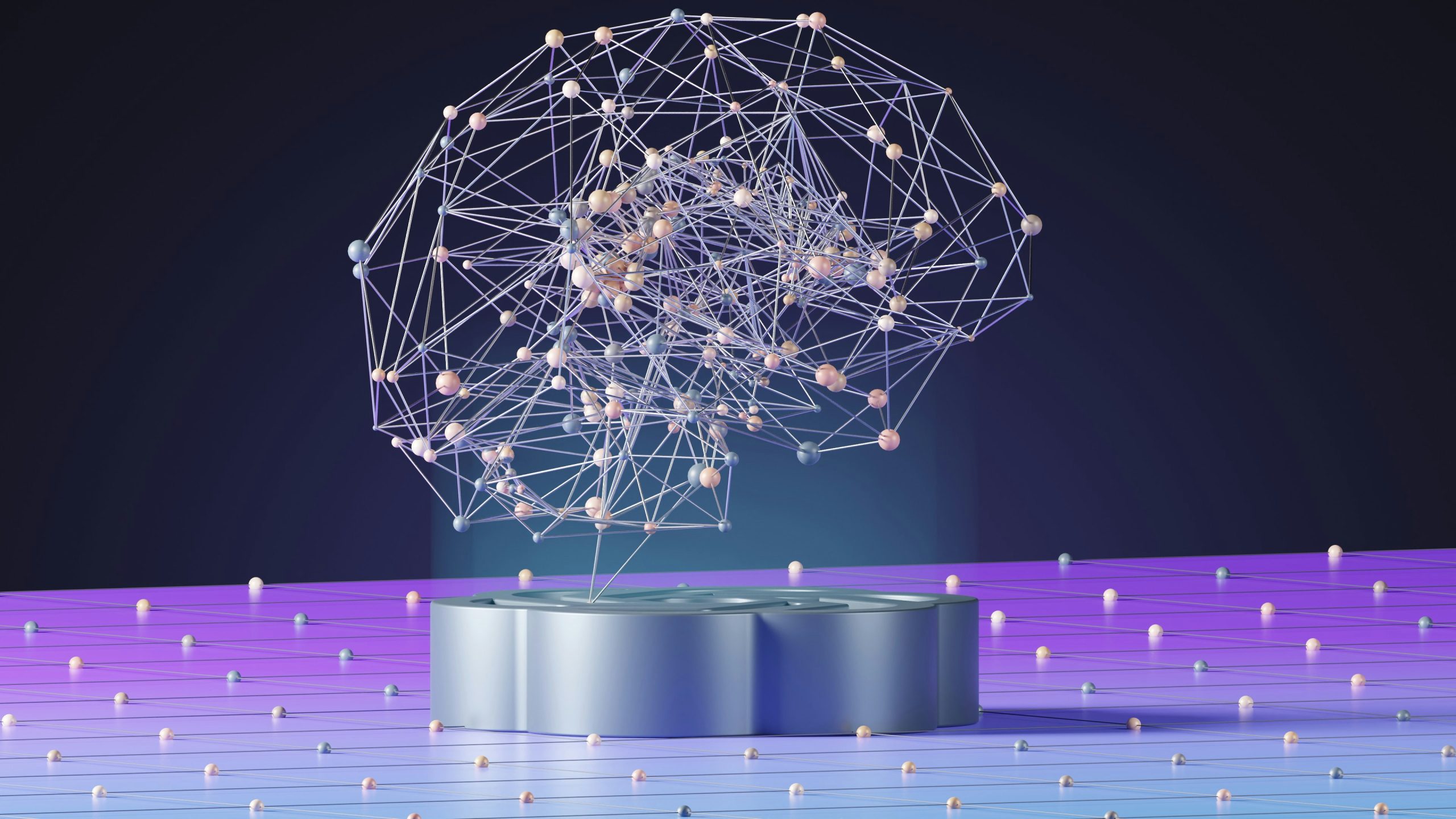
Modern AI-powered home systems now integrate seamlessly with appliances, security features, and energy management tools. These systems learn from our habits, adjusting temperature settings, optimizing energy consumption, and even suggesting meal plans based on the contents of our refrigerators and our dietary preferences.
The integration of AI in home security has also advanced significantly. Facial recognition technology can now distinguish between family members, frequent visitors, and potential intruders, while anomaly detection algorithms can identify unusual patterns that might indicate security risks.
Perhaps most impressively, AI-powered home assistants have developed contextual awareness, engaging in more natural conversations and understanding complex commands. They can coordinate multiple devices, manage schedules, and even provide companionship for those living alone, particularly the elderly.
Workplace Transformation: AI as a Collaborative Partner
The workplace of 2025 has been fundamentally reshaped by AI technologies. Rather than replacing human workers, AI has primarily become a collaborative partner, augmenting human capabilities and automating routine tasks to free up time for more creative and strategic work.

In office environments, Artificial Intelligence tools analyze vast amounts of data to provide actionable insights, automate reporting processes, and even assist in decision-making. These systems can identify trends that might escape human notice, helping businesses make more informed choices.
Project management has been revolutionized by AI algorithms that can predict timelines, allocate resources efficiently, and identify potential bottlenecks before they cause delays. These systems continuously learn from project outcomes, improving their accuracy over time.
Customer service has been transformed by AI chatbots and virtual assistants that can handle increasingly complex inquiries with human-like understanding. When issues exceed their capabilities, these systems seamlessly transfer customers to human representatives while providing full context of the interaction.
Creative fields have also embraced AI as a tool for inspiration and execution. Designers use AI to generate variations of concepts, writers employ AI to overcome creative blocks, and musicians collaborate with AI to compose new pieces. The result is not the replacement of human creativity but its enhancement through technological partnership.
Healthcare Revolution: AI-Powered Medicine
The healthcare industry has perhaps seen the most profound transformation through AI integration. By 2025, AI systems are assisting in everything from diagnosis to treatment planning, making healthcare more personalized, accessible, and effective.

Diagnostic AI has reached remarkable levels of accuracy, particularly in medical imaging. These systems can detect subtle anomalies in X-rays, MRIs, and CT scans that might escape human observation, leading to earlier detection of diseases like cancer.
Personalized medicine has become a reality through AI analysis of genetic information, lifestyle factors, and health data. This allows doctors to tailor treatments to individual patients, maximizing effectiveness while minimizing side effects.
AI-powered wearable devices continuously monitor vital signs and health indicators, alerting users and healthcare providers to potential issues before they become serious. These devices have become particularly valuable for managing chronic conditions and for elderly care.
Drug discovery has been accelerated dramatically by AI systems that can analyze molecular interactions and predict efficacy, reducing the time and cost of bringing new medications to market.
Mental health support has been expanded through AI-powered apps and virtual therapists that provide cognitive behavioral therapy, monitor mood changes, and offer interventions when needed. While not replacing human therapists, these tools provide valuable support and increase access to mental health resources.
Education Reimagined: Personalized Learning Experiences
The education landscape has been transformed by AI technologies that enable truly personalized learning experiences. By 2025, traditional one-size-fits-all education has given way to adaptive learning systems that cater to individual student needs, learning styles, and pace.
AI-powered educational platforms continuously assess student performance, identifying strengths and weaknesses to adjust content difficulty and presentation methods. This ensures that students are neither bored by material that’s too easy nor overwhelmed by concepts that are too advanced.
Virtual tutors provide one-on-one assistance, answering questions, explaining concepts in multiple ways, and offering additional practice when needed. These systems are available 24/7, eliminating scheduling constraints and providing support whenever students need it.
Teachers have been empowered by AI tools that automate administrative tasks like grading and attendance tracking, allowing them to focus more on instruction and student interaction. AI also provides teachers with detailed insights into student progress, helping them identify those who need additional support or challenge.
Language learning has been revolutionized by AI that can understand and evaluate pronunciation, engage in conversation practice, and adapt lessons based on mastery of different language components.
For students with special needs, AI technologies provide customized support, from speech-to-text and text-to-speech functionalities to specialized learning tools designed for various disabilities. These technologies have made education more inclusive and accessible than ever before.
Social Connections: AI in Human Relationships
By 2025, AI has become an integral part of how we form and maintain social connections. While some feared that technology would isolate us, AI has actually enhanced our ability to connect with others in meaningful ways.
Social media platforms powered by sophisticated AI algorithms now prioritize meaningful interactions over engagement metrics, creating healthier online environments. These systems identify and reduce harmful content while promoting constructive dialogue and authentic connections.
Translation AI has broken down language barriers, enabling real-time communication between people speaking different languages. This has facilitated global connections and cross-cultural understanding on an unprecedented scale.
AI-powered matchmaking has evolved beyond simple algorithms to consider psychological compatibility, shared values, and long-term relationship potential. These systems have helped people find more compatible partners and build stronger relationships.
For those struggling with social anxiety or communication difficulties, AI coaches provide guidance and practice in social skills, helping them navigate social situations with greater confidence.
Perhaps most importantly, AI has helped maintain connections for those who might otherwise be isolated, particularly the elderly and those with limited mobility. Virtual companionship, combined with communication tools that simplify staying in touch with family and friends, has reduced loneliness and improved quality of life for many.
Ethical Considerations and Challenges
As AI has become more integrated into our daily lives, ethical considerations have come to the forefront. By 2025, frameworks for AI ethics and governance have been established to address these challenges, but ongoing vigilance remains essential.
Privacy concerns have prompted the development of more secure AI systems that protect personal data while still providing valuable services. Federated learning, which processes data locally rather than on centralized servers, has become increasingly common.
Algorithmic bias has been addressed through more diverse training data and regular audits of AI systems to ensure fairness across different demographic groups. However, continuous monitoring is necessary to prevent the emergence of new biases.
The digital divide remains a concern, as access to AI technologies is not equally distributed. Efforts to broaden access and ensure that the benefits of AI are available to all have become a priority for governments and organizations worldwide.
Employment disruption, while less severe than initially predicted, has still affected certain sectors. Retraining programs and educational initiatives have been implemented to help workers adapt to an AI-enhanced job market.
The Road Ahead: AI Beyond 2025 | Artificial Intelligence
As we look beyond 2025, the evolution of AI continues to accelerate. Emerging technologies like quantum computing promise to dramatically increase AI capabilities, potentially solving problems currently considered intractable.
The integration of AI with other technologies like augmented reality, virtual reality, and the Internet of Things will create even more seamless and immersive experiences. These convergences will further blur the line between digital and physical realities.
Explainable AI, which aims to make AI decision-making processes transparent and understandable, will become increasingly important as these systems take on more critical roles in society.
The development of artificial general intelligence (AGI) remains a long-term goal, with researchers making steady progress toward creating systems with human-like cognitive abilities across a wide range of domains.
Conclusion
The integration of Artificial Intelligence into everyday life by 2025 has created a world that is more connected, efficient, and responsive to human needs. From smart homes that anticipate our preferences to healthcare systems that provide personalized treatments, AI technologies have enhanced our capabilities and improved our quality of life.
However, this transformation comes with responsibilities. As we continue to develop and deploy AI technologies, maintaining a focus on human values, ethical considerations, and equitable access will be essential to ensuring that the benefits of AI are shared by all.
The future of AI is not predetermined but will be shaped by the choices we make today. By approaching this technological revolution with thoughtfulness, creativity, and a commitment to human flourishing, we can create a future where AI serves as a powerful tool for addressing some of society’s most pressing challenges and unlocking human potential.
Also Read:
Ultimate Guide to Amazon Freedom Festival 2025: Best-Selling Gadgets and How to Save Big